
 Oilfield service
Slickline Services
Wellbore monitoring and data collection, setting and retrieving downhole devices, integrity checks, production optimisation and fishing, led by slickline specialists with decades in the field.
Oilfield Services
Accurate, quality-checked well data from AI-enhanced BHP surveys, downhole camera imaging and surface well testing.
Overview
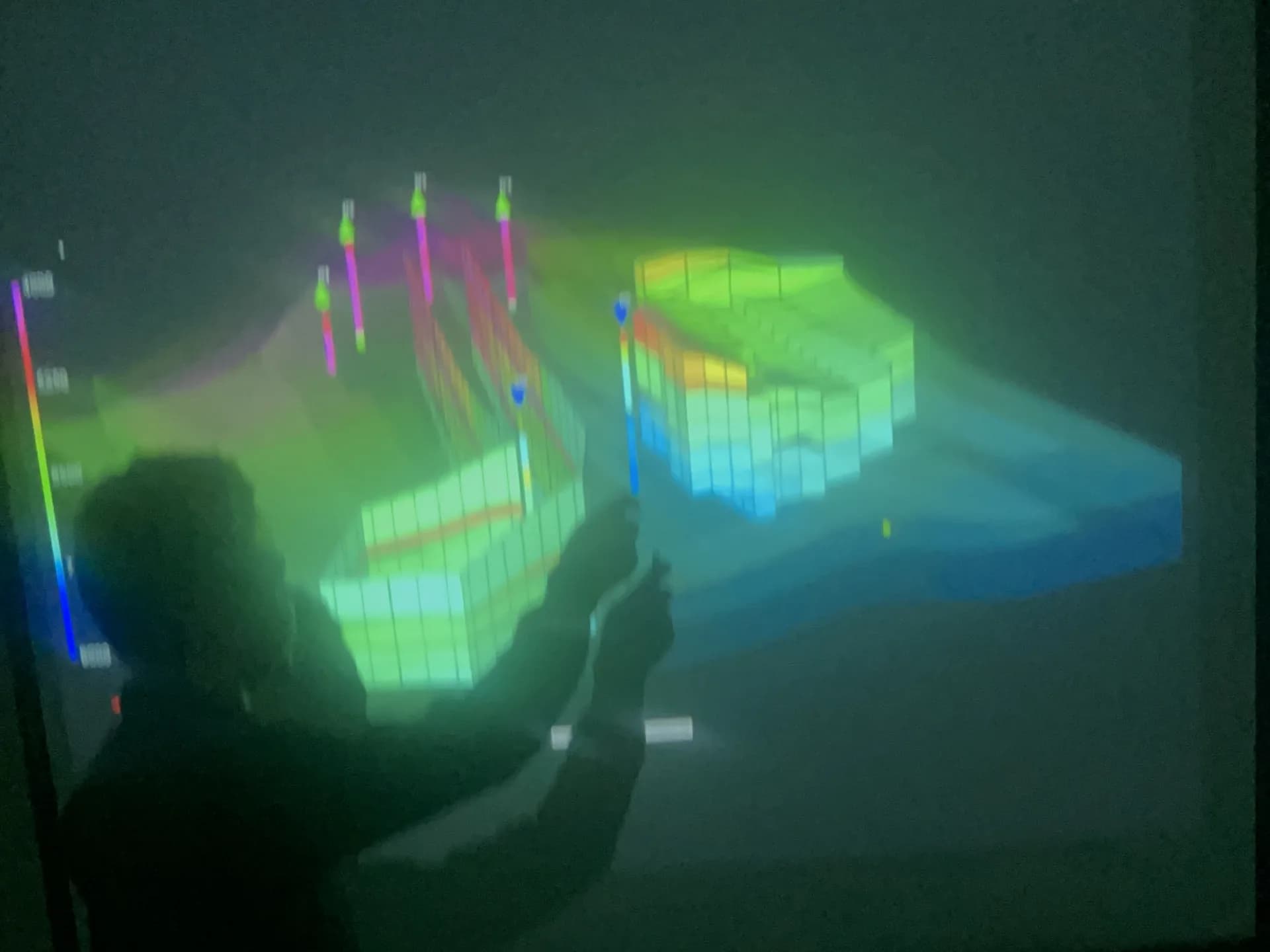
Reliable well data is the basis of every good decision in the field. Our Well Insight service combines experienced well service engineers with AI and machine learning tools to give operators a clear, quality-checked picture of wellbore and reservoir conditions.
We work from the bottom of the well to the surface: bottom hole pressure (BHP) surveys for reservoir information, downhole cameras to see what is actually in the well, and surface well testing for flow rates, fluid properties and surface pressures. Machine learning screens the data for errors and anomalies, so engineers spend their time on interpretation rather than data cleaning.
This is where the Codes and Cogs name comes from: software and data on one side, field engineering on the other. The same measurement discipline underpins our flare-to-energy work, because knowing how much associated gas a field produces is the first step in putting that gas to use.
Capabilities
Static and flowing bottom hole pressure and temperature surveys to gather critical reservoir information. Machine learning checks the gauge data for errors and outliers, giving cleaner inputs for reservoir performance, production strategy and integrity monitoring.
Real-time downhole camera runs with AI-enhanced image processing. Raw video feeds become clear, annotated images that engineers can review and share quickly.
Rapid visual identification of tools, wire or debris left in the well, including the condition of the fish, so the fishing plan is based on what is really there.
Camera imaging and image analysis to detect holes, corrosion, deformation, scale and other structural issues in tubing before they turn into failures.
Measurement of flow rates, fluid properties and surface pressures, with analytics that turn test data into a clear evaluation of well performance and deliverability.
Engineers interpret the results and report findings with clear recommendations for intervention, production optimisation or further surveys.
Gas rates and gas-oil ratios from well tests give a first estimate of associated gas volumes, a key input when screening a field for flare-to-energy potential.
How we work
We agree what you need to know, whether that is reservoir pressure, a suspected obstruction, tubing condition or well deliverability, and plan the survey or test around it.
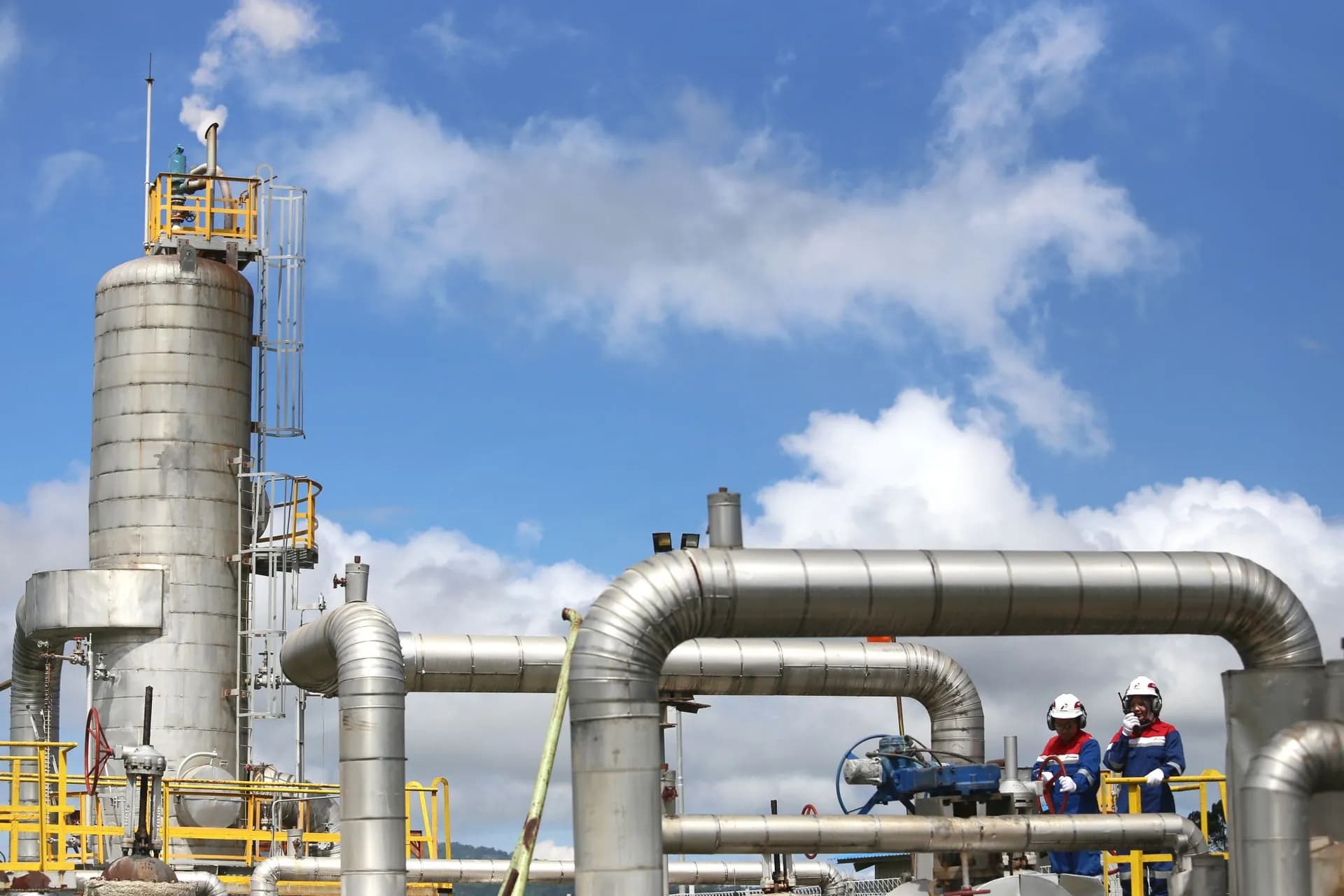
Our crew runs the gauges, cameras or surface test equipment on location to the agreed programme and well control requirements.
Algorithms screen the data for errors, drift and anomalies, and flag anything an engineer needs to look at more closely.
Engineers interpret the results and deliver a report with clear findings and recommended next steps.
Outcomes
Real-time feeds and quick analysis shorten the time between acquiring data and making an operational decision.
Machine learning quality control reduces human error and catches problems in raw data before they reach your reservoir model.
Seeing the fish or the damaged tubing before acting means the right tools on the first run and fewer wasted trips.
Downhole imaging, reservoir pressure and surface performance data from one team, interpreted together.
Deliverables
FAQs
Not covered here? Email our team and an engineer will answer.
The survey itself is run with conventional pressure and temperature gauges. Machine learning is applied to the data: it flags gauge errors, drift and outliers, and highlights the trends that matter, so the interpretation rests on cleaner data.
Typically when a fish or obstruction has to be identified before fishing, or when tubing damage, corrosion or scale is suspected. A clear image helps you choose the right tools and avoid unnecessary runs.
Yes. Surface well tests measure gas rates alongside oil and water, which helps estimate how much associated gas is available. That data can feed directly into flare-to-energy screening through our Research & Development work.
Both. We can run the surveys and tests with our own crew, or apply our analytics and interpretation to data you have already acquired.
Keep exploring
Oilfield serviceWellbore monitoring and data collection, setting and retrieving downhole devices, integrity checks, production optimisation and fishing, led by slickline specialists with decades in the field.
 Oilfield service
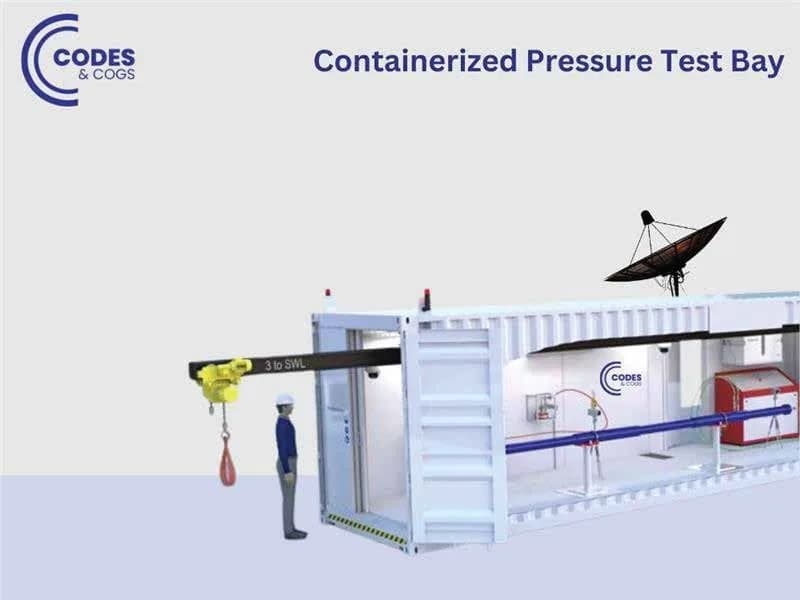
Non-destructive testing and pressure control equipment integrity checks before deployment, run from our Containerised Pressure Test Bay to reduce risk, downtime and compliance gaps.
 Energy solution
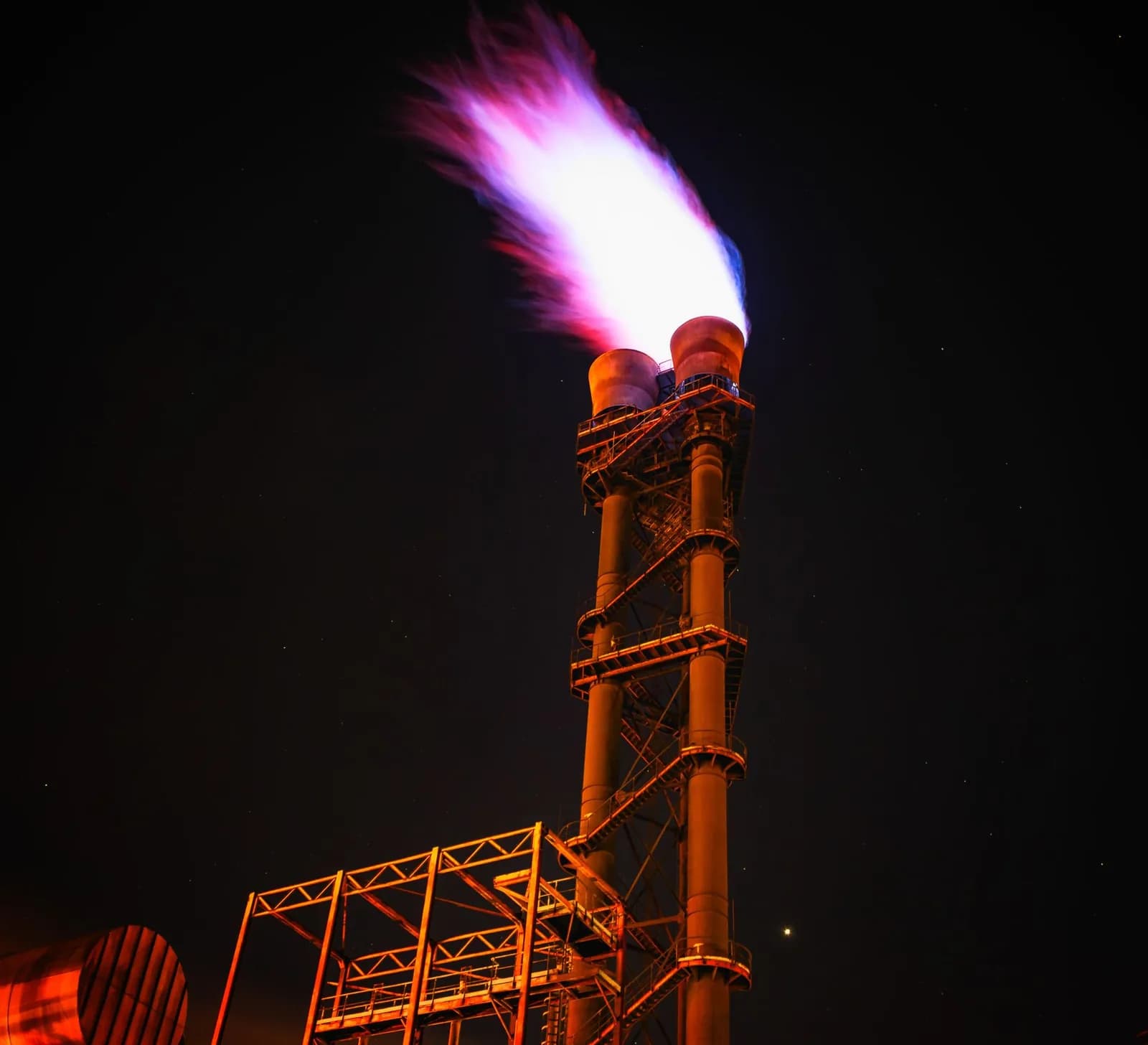
Flare site screening, gas characterisation, feasibility studies, emissions MRV, carbon-credit readiness, AI analytics and research into emerging gas conversion pathways.
Start a project
Tell us where the gas is and what you need. Our engineers will come back with a practical first assessment and a clear next step.