
 Energy solution
Flare Gas Conversion Development
We develop flare-to-energy projects end to end: we screen and measure flare sites, choose the conversion pathway, structure the commercial model and deliver the plant.
Energy Solutions
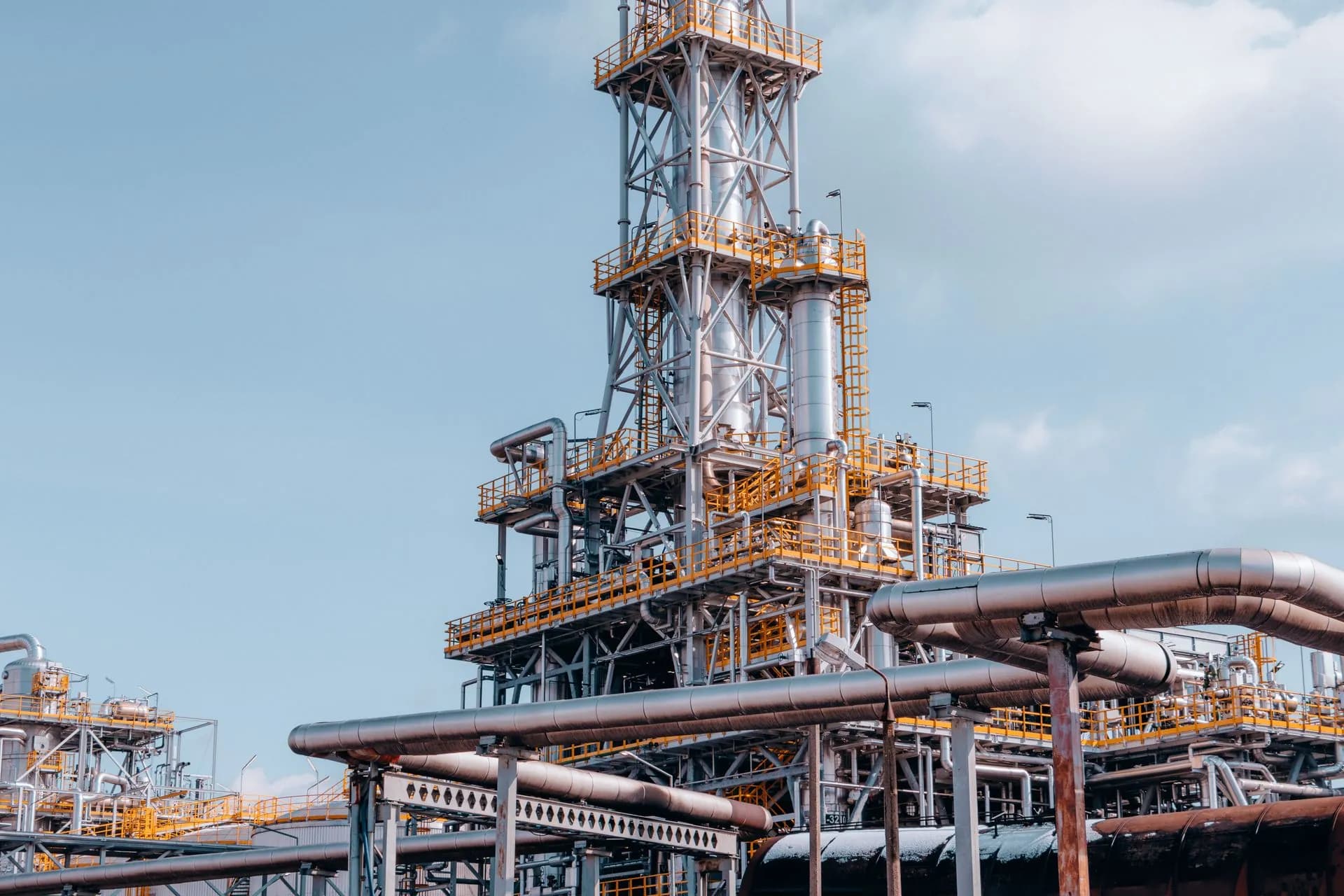
We engineer, install and operate the equipment that turns flare gas into usable, cleaner energy: power, CNG, LPG and small-scale LNG.
Overview
Codes and Cogs engineers, procures, installs and commissions the equipment that captures flare gas and converts it into usable, cleaner energy. We work from front-end engineering design (FEED) through procurement, installation, testing and commissioning, and we can operate and maintain the plant afterwards.
Flare gas conditions shape every design choice. Gas is usually recovered at low pressure, flow varies hour to hour and declines over field life, and the composition can include H2S, CO2, water and heavy hydrocarbons. We select recovery compressors, conditioning and conversion equipment to handle that range, and we favour skid-mounted and containerised modular units that install quickly and can be relocated or resized as volumes change.
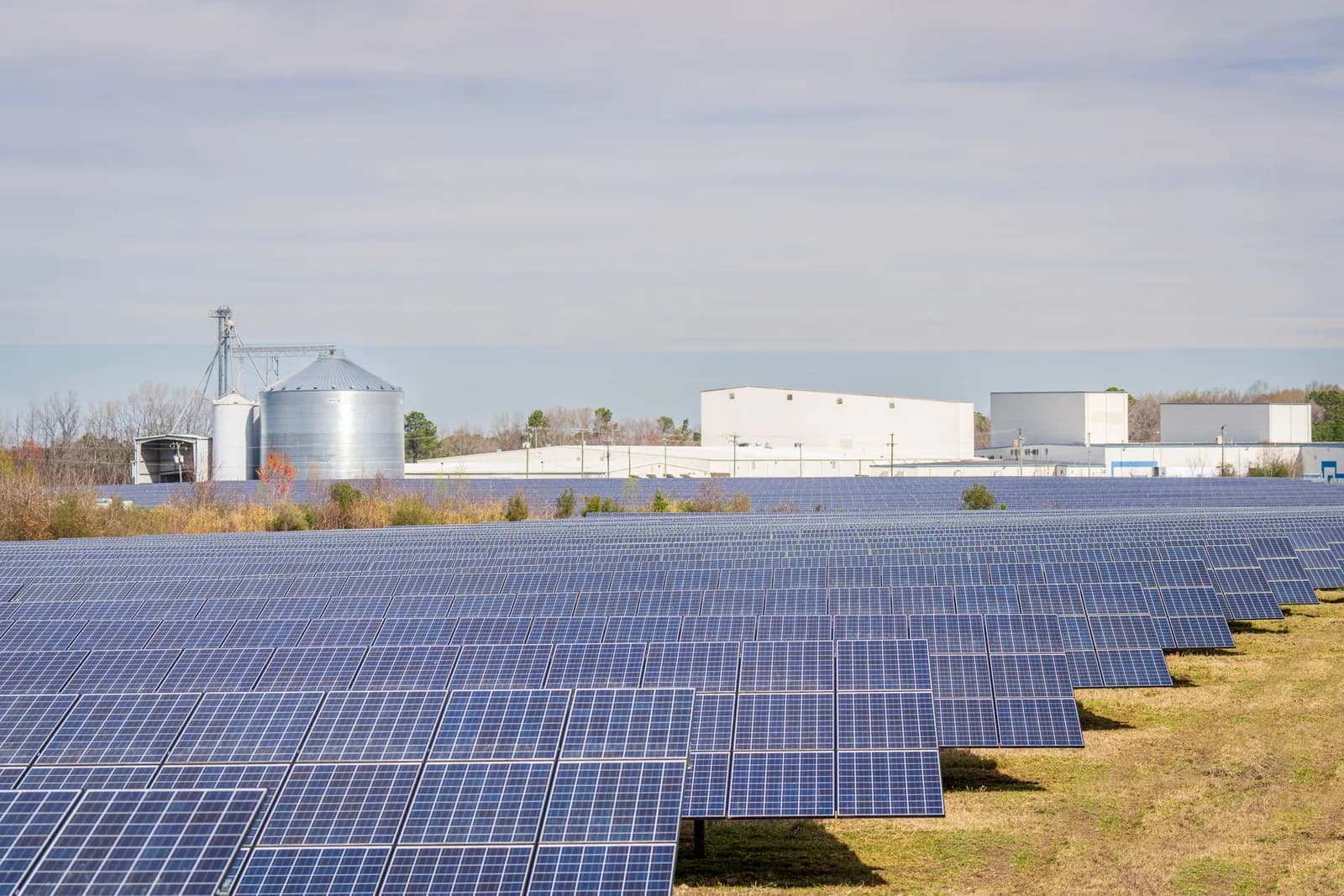
Where gas alone cannot meet a load reliably, we integrate solar PV and battery storage with gas generation to build hybrid systems and mini-grids. The gas itself is not renewable, but using it instead of flaring it, and pairing it with solar, cuts waste and can displace diesel.
Every installation is instrumented from day one. Our software team connects plant controls, SCADA and IoT sensors to remote monitoring dashboards that track flow, output, uptime and emissions. That is the Codes side. The Cogs side is field engineering, backed by the company's NDT, pressure testing and oilfield operations capability.
Capabilities
Recovery tie-ins upstream of the flare with inlet separation and knock-out, then compression sized for low suction pressure and variable flow, keeping the flare available for safety relief.
Dehydration, H2S and CO2 removal and hydrocarbon dew-point control, specified from laboratory gas analysis to meet the quality each engine, compressor or product requires.
Reciprocating gas engines and gensets or microturbines for embedded and captive power, grid export where permitted, and mini-grids serving facilities and nearby communities.
CNG compression with trucked cascade storage that delivers gas to industrial users and fuelling points beyond the reach of a pipeline.
Recovery of propane, butane and heavier liquids from rich flare gas, adding a transportable product stream and conditioning the residual gas for power or CNG.
Mini-LNG units with the deep pre-treatment that liquefaction requires, for sites with larger, steadier volumes and buyers too far away for CNG.
Solar PV and battery storage integrated with gas generation to smooth gas variability, cut engine running hours and keep power on as flare volumes fall.
Control systems, sensors and dashboards that show flow, output, uptime, gas quality and emissions in real time, with alarms and data for maintenance planning.
How we work
Process design from measured gas data, with PFDs, P&IDs, equipment sizing, layouts and hazard studies agreed with the operator.
Vendor selection, skid fabrication and factory acceptance testing, with documentation tracked against the approved design.
Site preparation, civil works, mechanical, electrical and instrumentation installation, and tie-ins carried out under the operator's permit-to-work system.
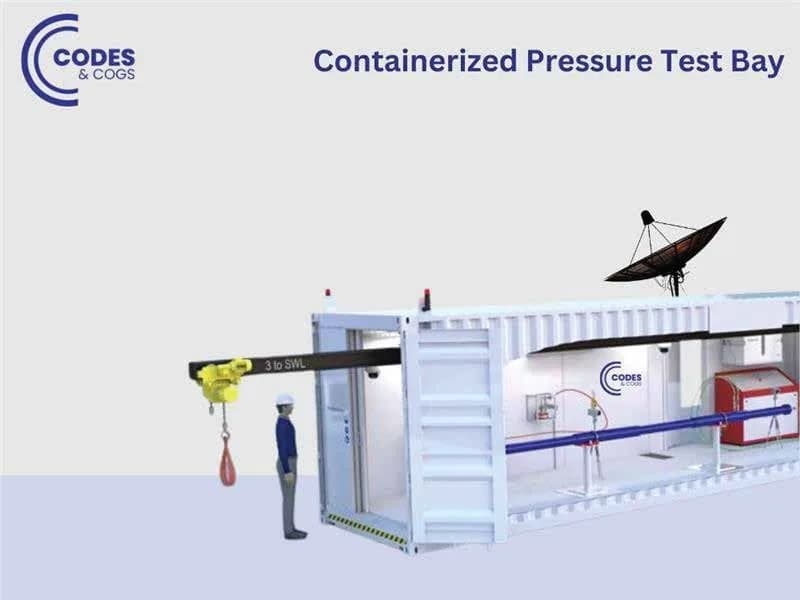
Pressure testing, non-destructive testing of welds and pressure-containing equipment, and loop checks, drawing on our NDT and PCE integrity testing capability.
Pre-commissioning, start-up, performance testing against the design, as-built records and operator training.
Planned and condition-based maintenance, spares management, remote monitoring and regular performance and emissions reporting.
Outcomes
Equipment selected and controlled for real flare conditions keeps output steady as flow and composition change.
Skid-mounted units reach site sooner and can be moved, added or removed as volumes rise or decline.
Recovery systems are designed to keep the flare available for relief, and verified through hazard studies and testing.
Remote dashboards show operators, investors and lenders how the plant performs and how much flaring it has avoided.
Deliverables
FAQs
Not covered here? Email our team and an engineer will answer.
No. Flare gas is associated gas, a fossil fuel. Capturing and using it instead of flaring it cuts waste, reduces methane and black carbon from the flare and can displace diesel, which makes it a cleaner, lower-carbon use of gas that is already being produced. Renewables come in through hybrid systems that pair gas generation with solar PV and battery storage.
That is a design requirement, not an afterthought. We size to reliable base flow, use several smaller units for turndown, condition fuel gas to a steady quality, select engines for the gas's methane number and heating value, and add battery storage where loads need smoothing.
Modular, skid-mounted equipment can be taken out of service, reconfigured or moved to another site. We plan for decline in the design and review the forecast against operating data, so changes are made before output suffers.
Yes, if the client wants us to. Under build-own-operate models we operate the plant as owner. Under EPC we can hand over to trained client staff or provide an operations and maintenance contract, supported by remote monitoring.
Tie-ins are planned with the operator through hazard studies and carried out under their permit-to-work system. Designs include positive isolation, overpressure protection and control logic that diverts gas back to the flare on any trip, so the flare keeps its safety role.
Keep exploring
Energy solutionWe develop flare-to-energy projects end to end: we screen and measure flare sites, choose the conversion pathway, structure the commercial model and deliver the plant.
 Energy solution
Supply access with operators and flare-site awardees, aggregation across sites, and gas sales and offtake agreements built around how flare gas actually behaves.
 Energy solution
Flare site screening, gas characterisation, feasibility studies, emissions MRV, carbon-credit readiness, AI analytics and research into emerging gas conversion pathways.
Oilfield serviceNon-destructive testing and pressure control equipment integrity checks before deployment, run from our Containerised Pressure Test Bay to reduce risk, downtime and compliance gaps.
 Oilfield service
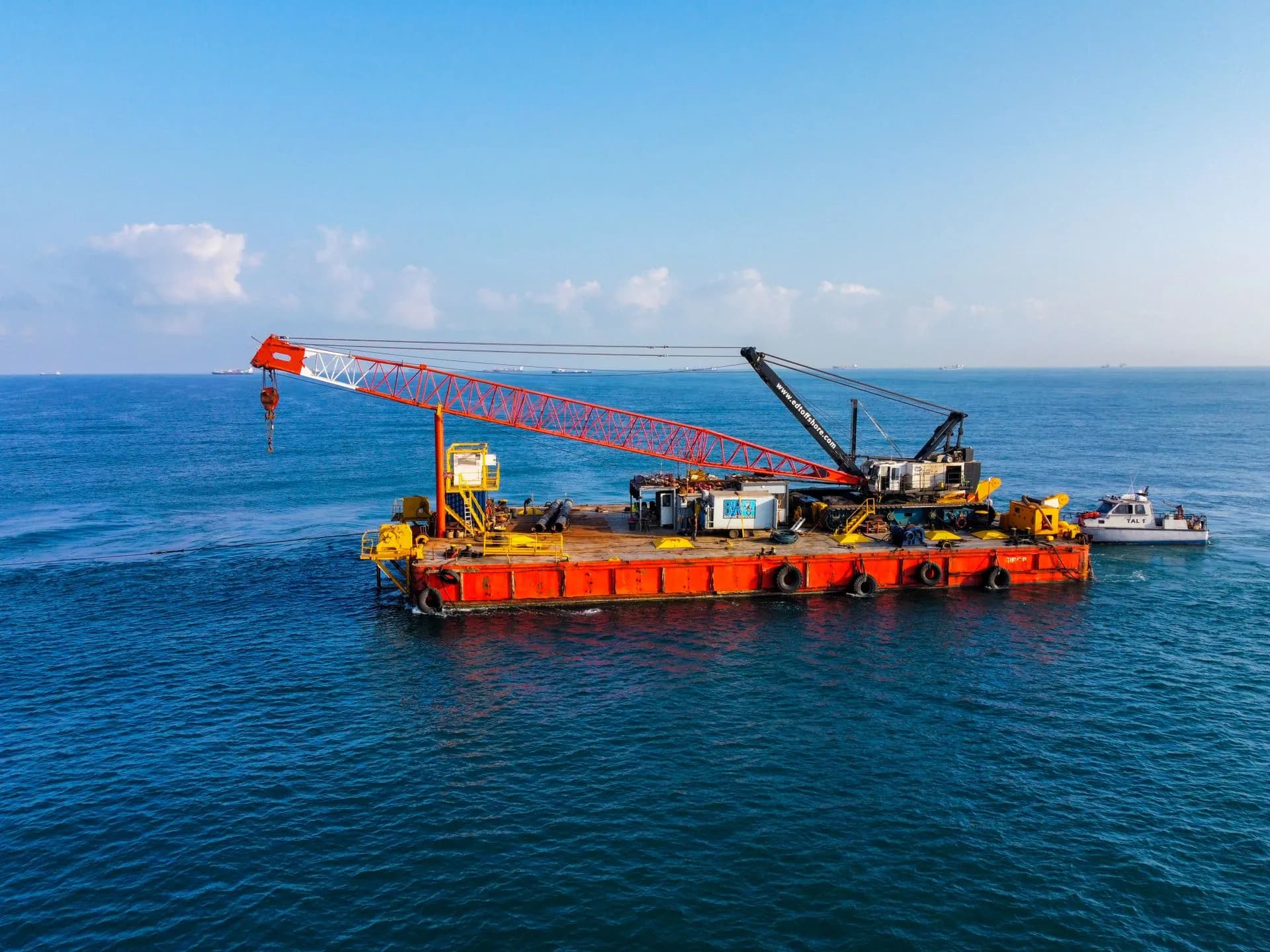
Reliable rental equipment for oilfield operations: the MV Mother Mary work barge with deck crane and accommodation, a support vessel, a fast crew boat and specialised tools.
Start a project
Tell us where the gas is and what you need. Our engineers will come back with a practical first assessment and a clear next step.