
 Energy solution
Flare Gas Conversion Development
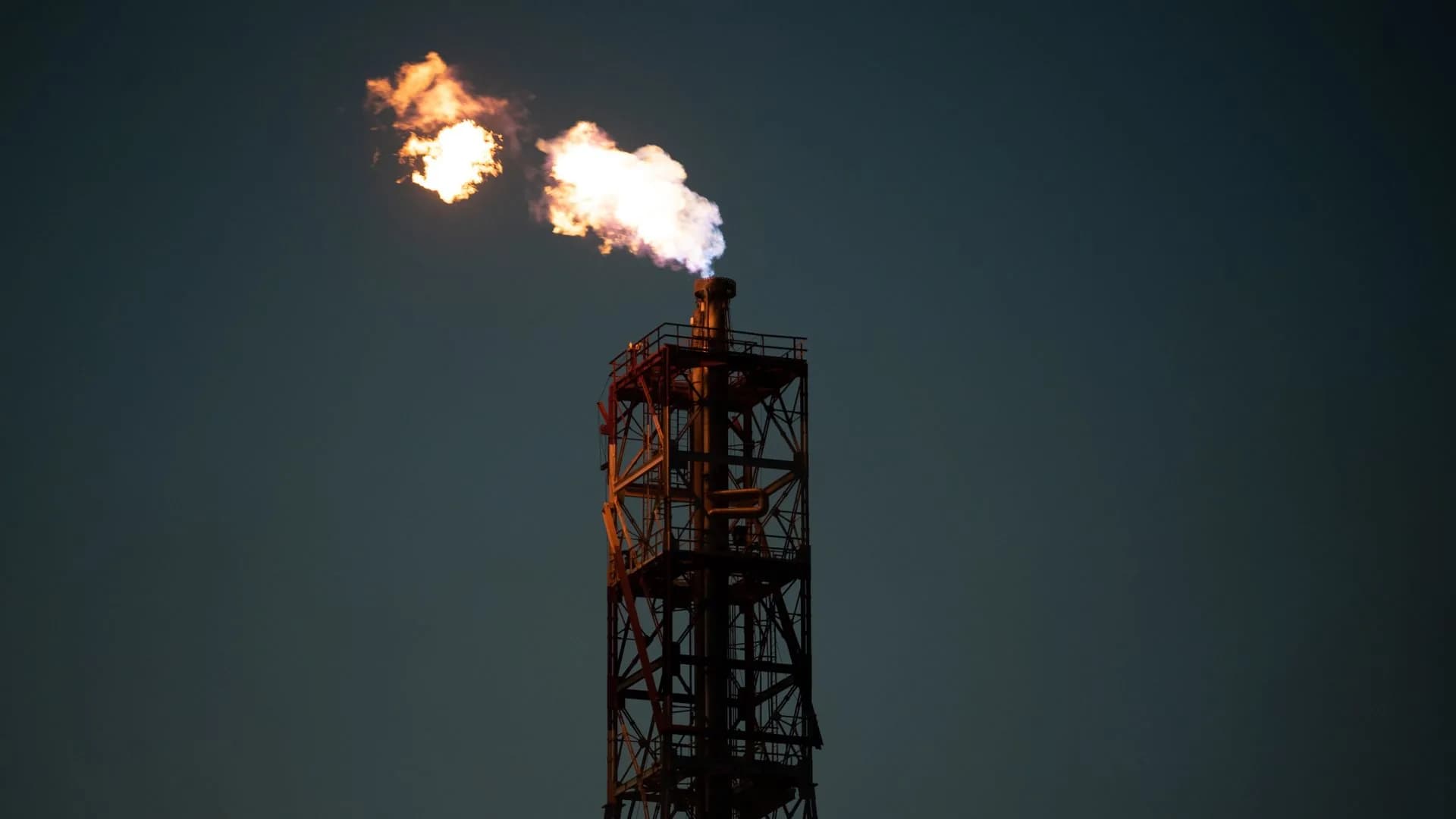
We develop flare-to-energy projects end to end: we screen and measure flare sites, choose the conversion pathway, structure the commercial model and deliver the plant.
Energy Solutions
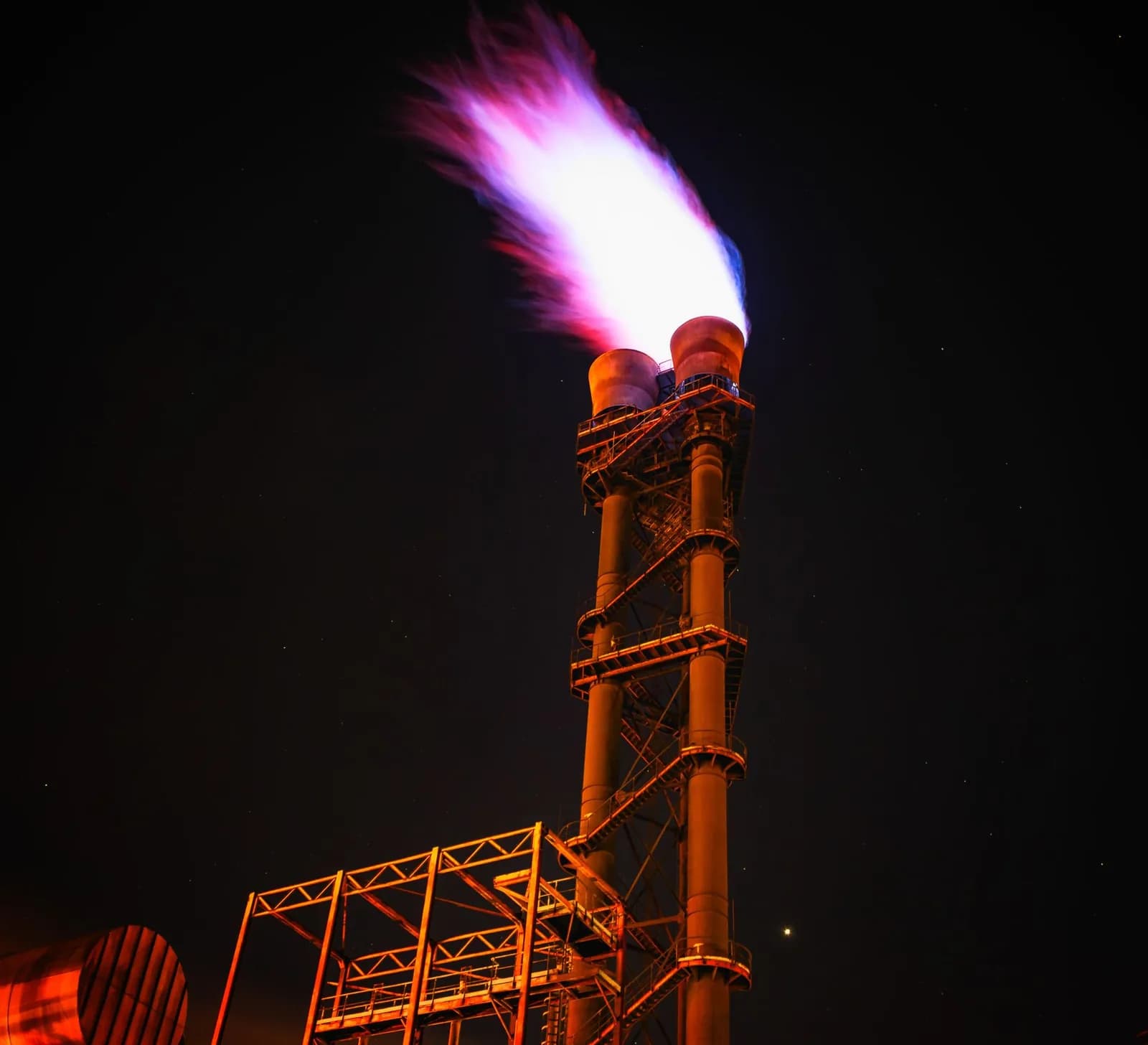
We build the evidence behind flare-to-energy projects: site screening, gas data, emissions measurement and the next conversion pathways.
Overview
Good flare-to-energy projects start with good data. Our research and development work produces the evidence that decides which flares to pursue, what equipment to build and how to prove the results: site screening, gas characterisation, feasibility studies and emissions measurement.
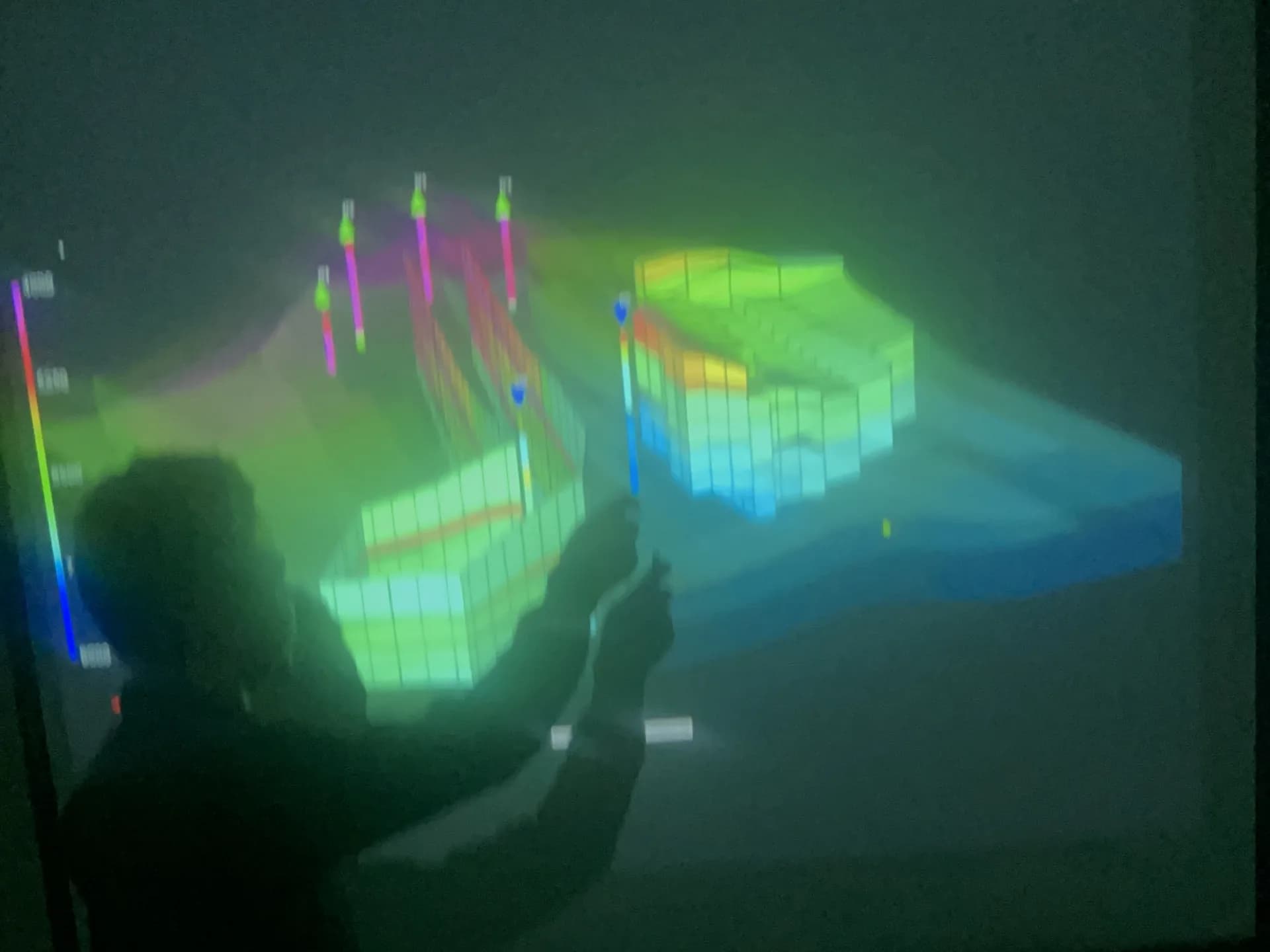
This is where our software and data team does its heaviest lifting. We combine satellite flare observations with field measurement and operator data, apply analytics and machine learning to flow and equipment data, and build digital models of gas facilities that help operators plan, forecast and maintain. The software and real-time data acquisition tools we already use in our well services give us a working base for that analysis.
We also look further ahead. We evaluate emerging pathways for associated gas, such as small-scale gas-to-liquids, methanol, hydrogen and gas-to-chemicals, and help clients prepare flare reduction projects for carbon markets. These are research directions, and we present them that way: we test them against real gas data and economics before recommending them.
Research only matters if people can use it. We share findings through pilots with clients, knowledge partnerships and training, building on the company's training programmes for oil and gas professionals.
Capabilities
Satellite flare detection data, such as VIIRS night-time observations, combined with operator records and field visits to locate, rank and track flares over time.
Sampling programmes and laboratory analysis of composition, contaminants and liquids, interpreted for equipment selection and product potential.
Concept and feasibility studies that test technical fit, cost, revenue and risk, and set out the case for or against each project.
Measurement, reporting and verification of flared and recovered volumes, methane emissions and flare combustion efficiency, to a standard that stands up to scrutiny.
Baselines, monitoring plans and documentation that prepare flare reduction projects for assessment under recognised carbon crediting standards.
Machine learning for flow forecasting, anomaly detection and predictive maintenance, and digital twins that mirror gas facilities for planning and optimisation.
Research into small-scale gas-to-liquids, methanol, hydrogen and gas-to-chemicals, assessed against real flare volumes, composition and market access.
Pilot programmes with clients, knowledge partnerships with institutions and technology providers, and training that passes new skills to Nigerian engineers and operators.
How we work
Agree the decision the work must support, the data that already exists and the level of confidence needed.
Satellite observations, operator records and field campaigns for flow, composition and emissions.
Engineering calculations, techno-economic models, machine learning and digital twins, with every assumption stated plainly.
Test promising options at small scale or against live plant data before a full commitment is made.
Clear reports, dashboards and training so the client's own team can use and repeat the work.
Outcomes
Projects are chosen and sized on measured data rather than assumptions, reducing the risk of building the wrong plant.
Measured and documented reductions support regulatory reporting, investor scrutiny and any future carbon claims.
Early evaluation of new pathways shows clients which technologies could suit their gas, and under what conditions.
Training and knowledge transfer build the local capability to run, monitor and improve gas projects.
Deliverables
FAQs
Not covered here? Email our team and an engineer will answer.
No. Satellite observations are very useful for finding flares, ranking them and tracking change over time, but their volume estimates carry real uncertainty. Equipment design and gas contracts need metered flow and laboratory analysis at the site, so we use satellites to decide where to measure, not as a substitute for measuring.
It may. Eligibility depends on the crediting standard and methodology, a credible baseline, whether the reduction goes beyond what regulation already requires, and robust monitoring. We prepare projects for that assessment. We do not promise credit issuance or prices.
A computer model of the plant linked to its live operating data. It lets operators forecast gas availability, test changes before making them, spot developing faults and plan maintenance. We build them at a scale that suits the facility, from a simple performance model to a fuller process simulation.
Small-scale versions of these technologies exist and are improving, but their economics usually need a larger, steadier gas supply than a single flare provides. We treat them as research directions: we follow the technology, test it against real flare data and recommend it only when the case stands up.
Yes. Training is part of the company's background, and we build it into research and pilot work so client teams can operate equipment, run measurement campaigns and interpret the data themselves. Our wider training programmes are described on our training page.
Keep exploring
Energy solutionWe develop flare-to-energy projects end to end: we screen and measure flare sites, choose the conversion pathway, structure the commercial model and deliver the plant.
 Energy solution
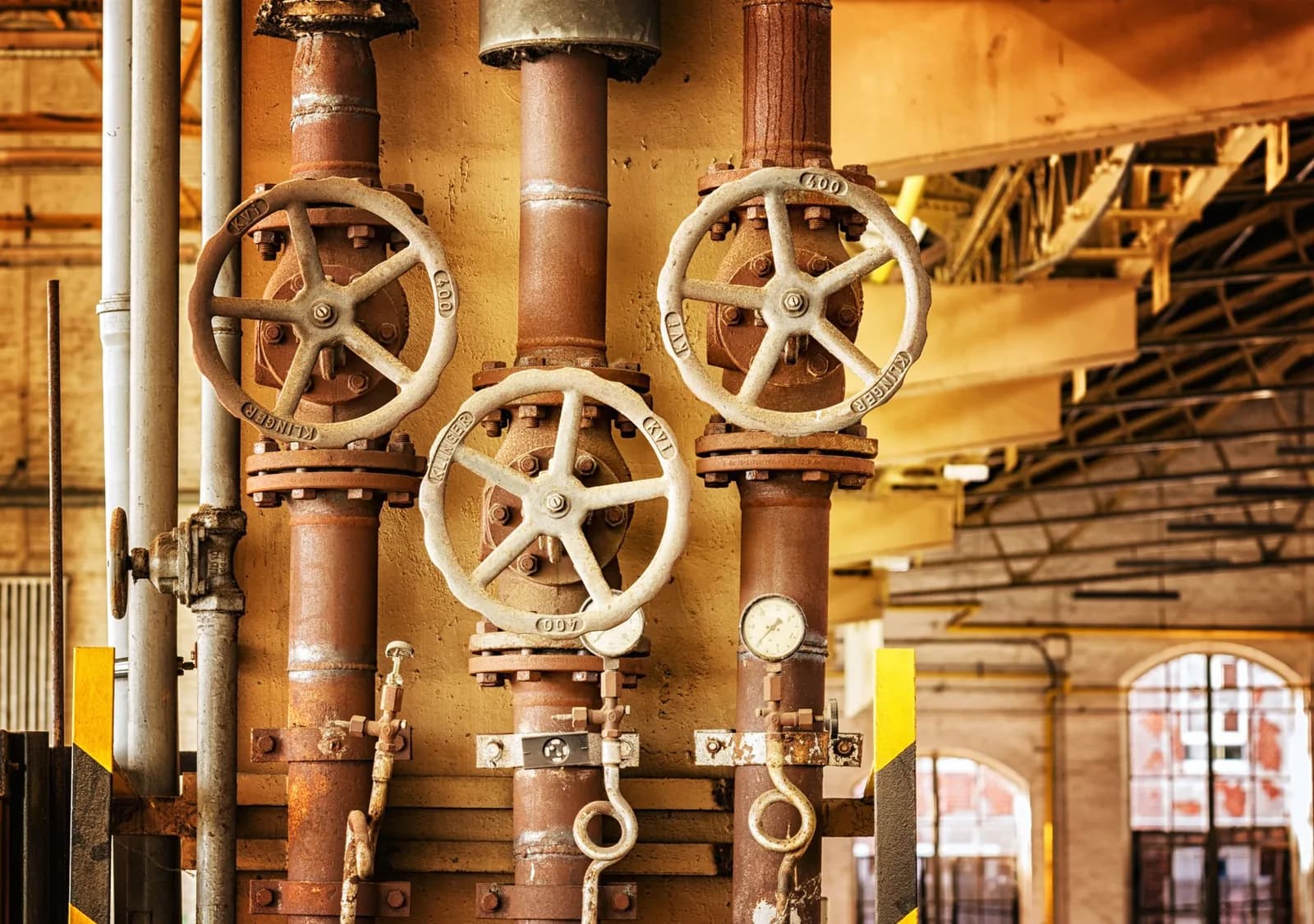
Supply access with operators and flare-site awardees, aggregation across sites, and gas sales and offtake agreements built around how flare gas actually behaves.
 Energy solution
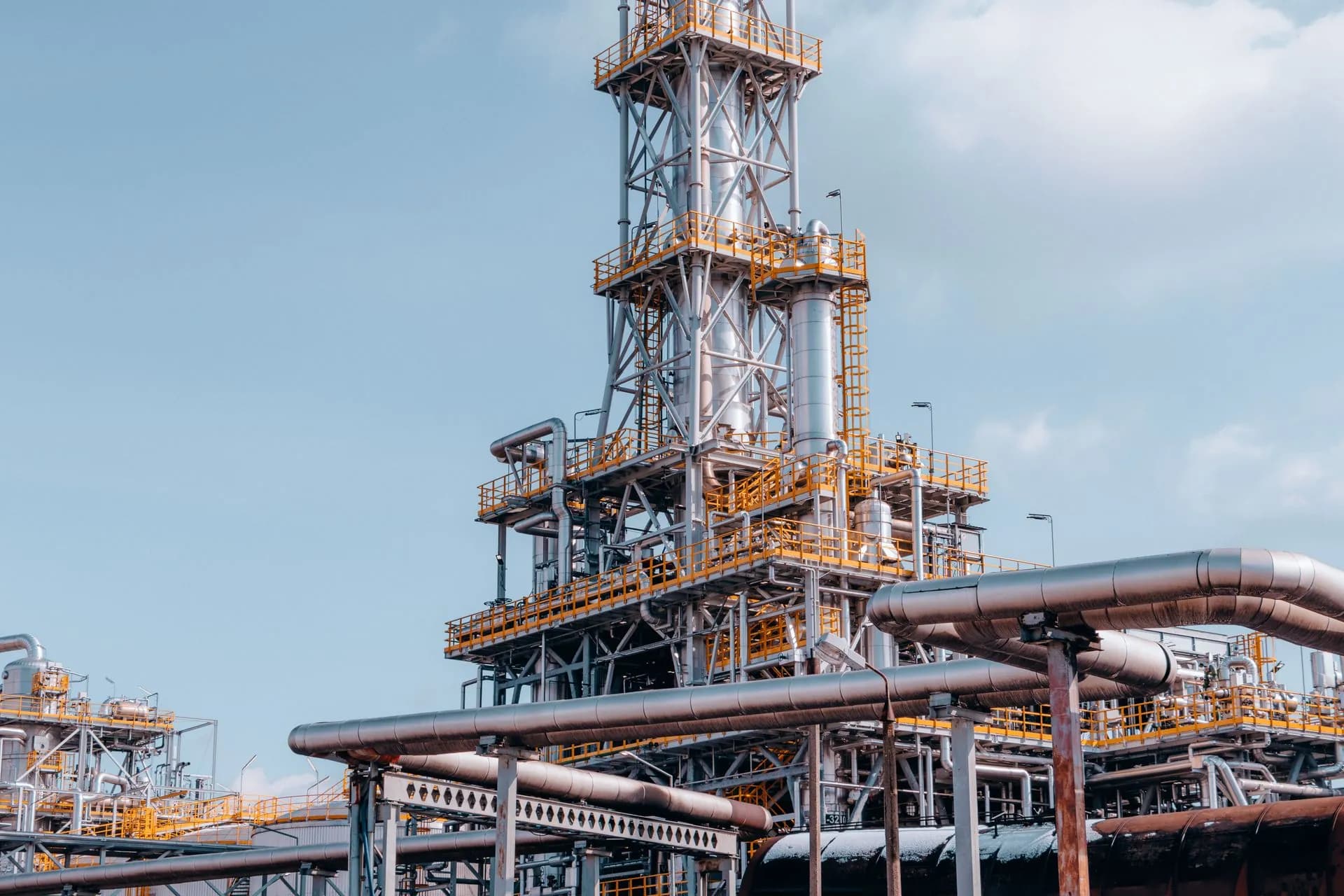
EPC and installation of flare gas recovery, conditioning, gas-to-power, CNG, LPG/NGL and small-scale LNG units, with hybrid solar and battery systems, commissioning and O&M.
 Oilfield service
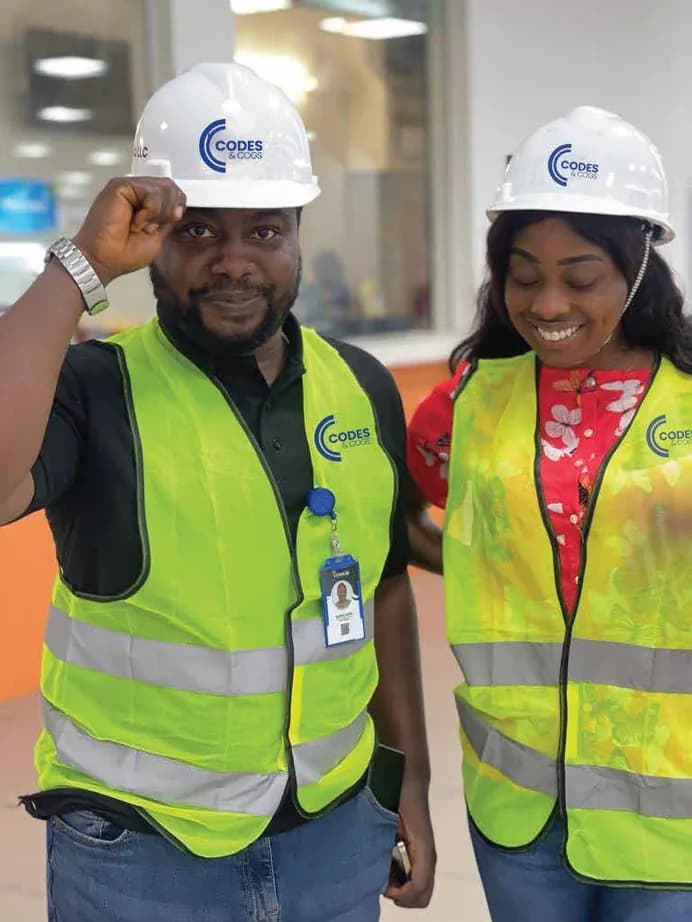
Training in IWCF, BOSIET, SPE Certified Petroleum Engineer, CESE, AAE and CLD, plus a simulation-based Train-and-Hire-an-Expert programme that connects trained experts with employers.
 Oilfield service
Bottom hole pressure surveys checked by machine learning, downhole cameras that turn feeds into clear images, and surface well testing that shows how a well is really performing.
Start a project
Tell us where the gas is and what you need. Our engineers will come back with a practical first assessment and a clear next step.