

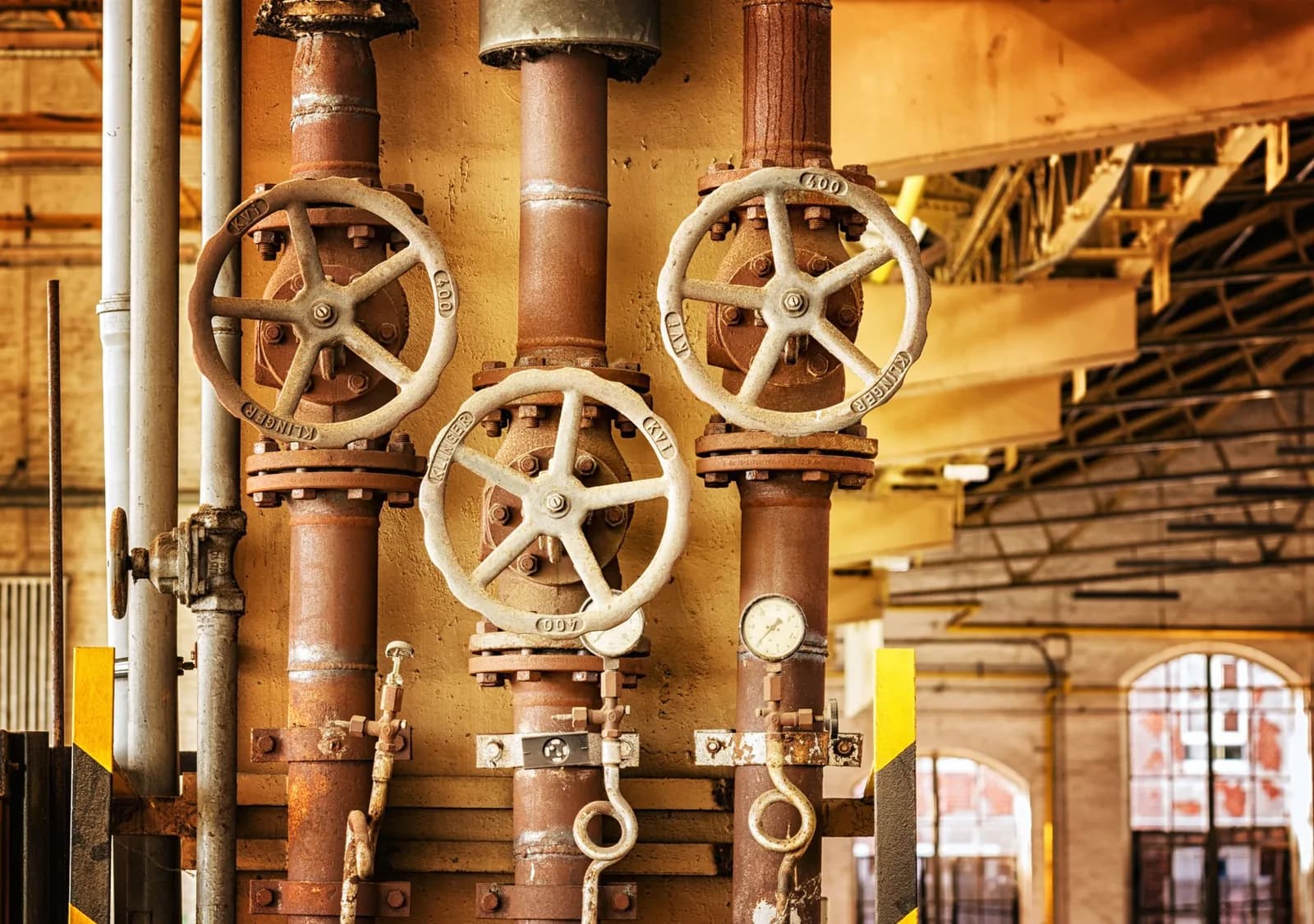
 Energy solution
Gas Sales Agreements & Acquisition
Supply access with operators and flare-site awardees, aggregation across sites, and gas sales and offtake agreements built around how flare gas actually behaves.
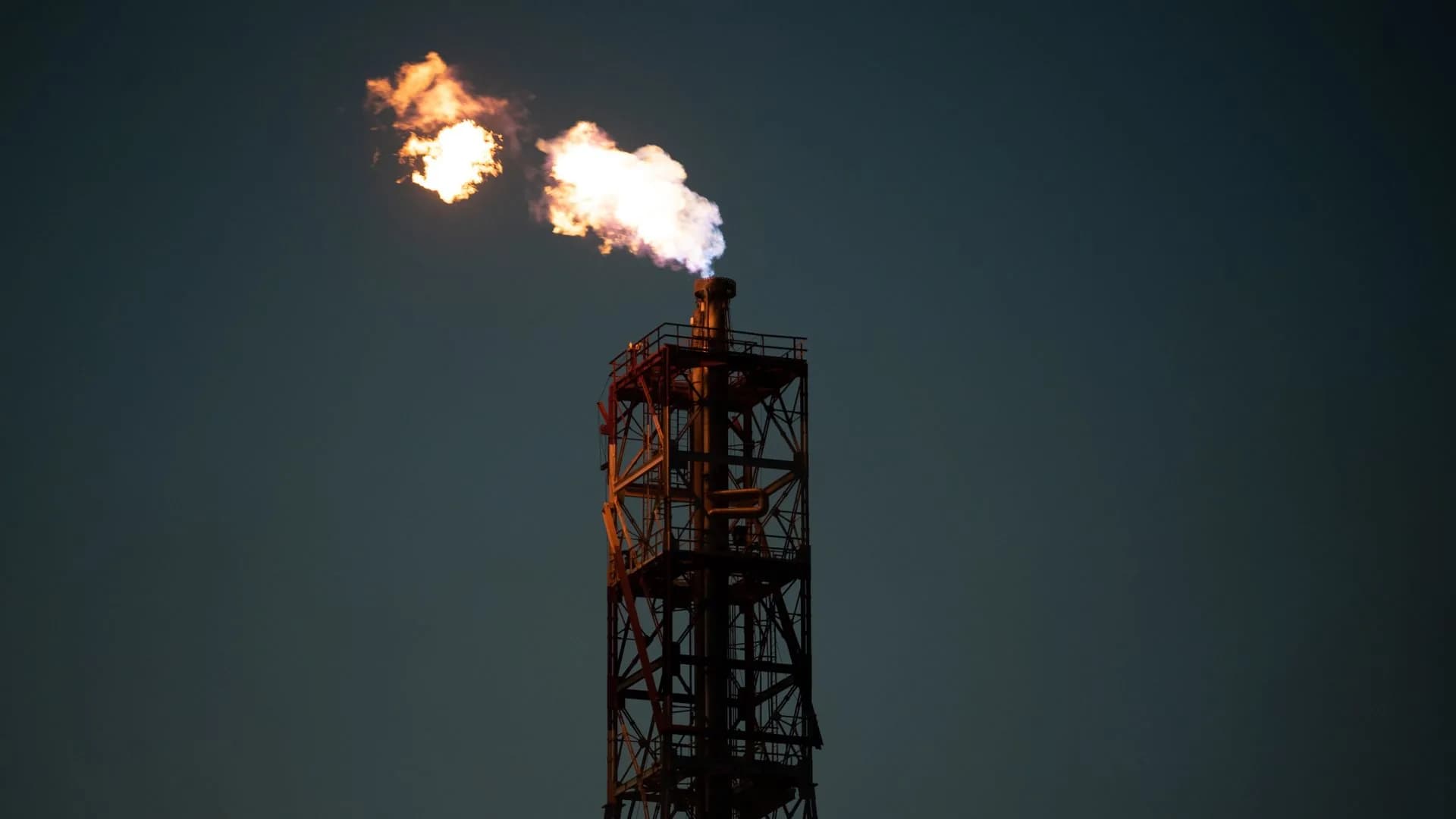
Energy Solutions
We develop projects that turn flared associated gas into power, fuel and revenue, from the first site screen to an operating plant.
Overview
Every flare burns gas that could be generating power, fuelling vehicles or feeding industry. Codes and Cogs acts as the project developer that turns that gas into a working, financeable project. We find and assess flare sites, prove how much gas is there and what it contains, choose the right conversion route and build the commercial structure around it.
Flare gas is not pipeline gas. It usually arrives at low pressure, its flow swings with oil production and well behaviour, it can carry H2S, CO2, water and heavy liquids, and its volume declines as the field matures. We design every project around those facts: we size to the gas that can be relied on rather than the peak, and we keep the flare system available for its safety role.
Projects are structured to suit the parties involved. We can build, own and operate a plant (BOO), build, own, operate and later transfer it (BOOT), form a joint venture with flare-site awardees or operators, or deliver it under an engineering, procurement and construction (EPC) contract for an operator who wants to own the asset. All of it sits within Nigeria's regulatory framework, including the Petroleum Industry Act (PIA) 2021, the NUPRC's Gas Flaring, Venting and Methane Emissions (Prevention of Waste and Pollution) Regulations 2023 and the Nigerian Gas Flare Commercialisation Programme (NGFCP).
Behind the development team sits the rest of the company: an installation and testing capability, oilfield engineers with slickline, well testing and NDT experience, and a software and data team that monitors what we build. Codes for the data, Cogs for the hardware.
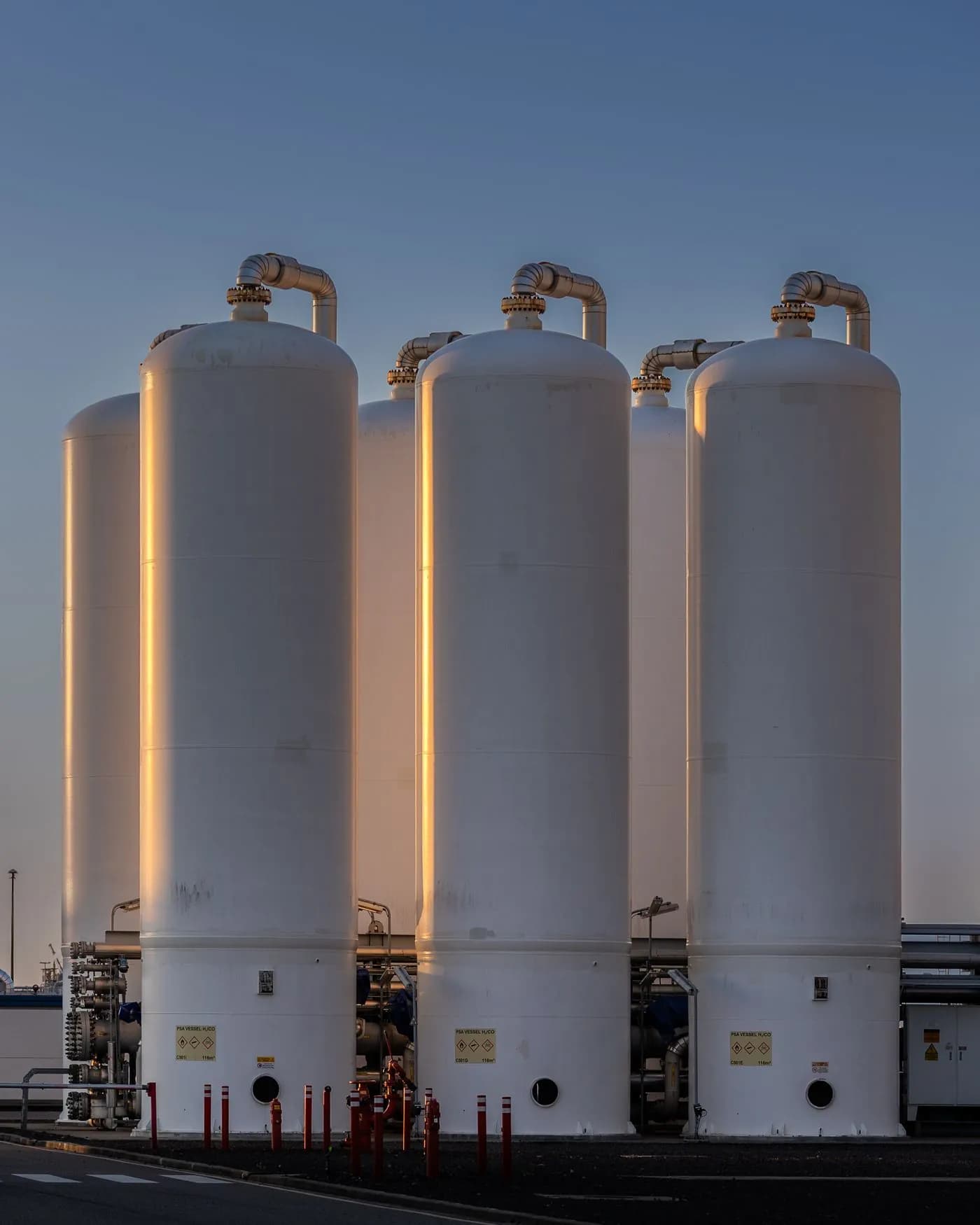
Capabilities
We combine satellite flare detection, operator data and site visits into a ranked shortlist, weighing gas volume, access, security, distance to demand and tie-in complexity.
Flow metering campaigns and sampling with laboratory analysis of C1 to C5+, H2S, CO2, N2, water and liquids, giving heating value and the quality data equipment vendors need.
We profile flow over time, separate reliable base flow from swings, and forecast decline over field life from production history, gas-oil ratio trends and the operator's plans.
Gas-to-power, CNG, LPG and NGL recovery, mini-LNG or a hybrid with solar and battery storage, compared on volume, composition, distance to market and available offtake.
Capital and operating cost estimates, revenue cases and sensitivity to gas decline and price, with a clear view of which risks drive the returns.
We map the approvals a project needs under the PIA 2021, the NUPRC's 2023 flaring, venting and methane regulations and, where a site falls within it, the NGFCP, and prepare submissions with the parties who hold the rights.
Early, open engagement with host communities, operators, regulators and local authorities, with agreed plans for local content, site access and grievance handling.
Feasibility studies, financial models, risk registers and technical packs prepared to the standard that lenders and investors expect to review.
How we work
Desktop screening of candidate flares using satellite data and operator information, then site visits to confirm access, tie-in points and constraints.
Metering and sampling campaigns establish real flow, variability and composition, analysed in the laboratory and checked against production data.
Conversion options are compared on technical fit and economics, leading to a preferred concept and a preliminary equipment specification.
We put the delivery model, gas supply and offtake terms, permits and community agreements in place, and prepare the documentation for financing.
Engineering, procurement, installation and commissioning through our equipment installation team, with pressure testing and inspection built in.
Operations and maintenance, remote monitoring of flow, output and uptime, and regular reporting of gas used and flaring avoided.
Outcomes
Gas that is captured is not flared, so operators reduce flared volumes and the regulatory payments and reputational risk that come with them.
A waste stream becomes a product with a buyer, creating income for operators, flare-site awardees and investors.
Captured gas can power facilities, industry and communities, or supply CNG and LPG that displace diesel and other liquid fuels.
Using gas instead of flaring it cuts methane slip and black carbon from the flare and can displace diesel generation. Our monitoring records the change.
Deliverables
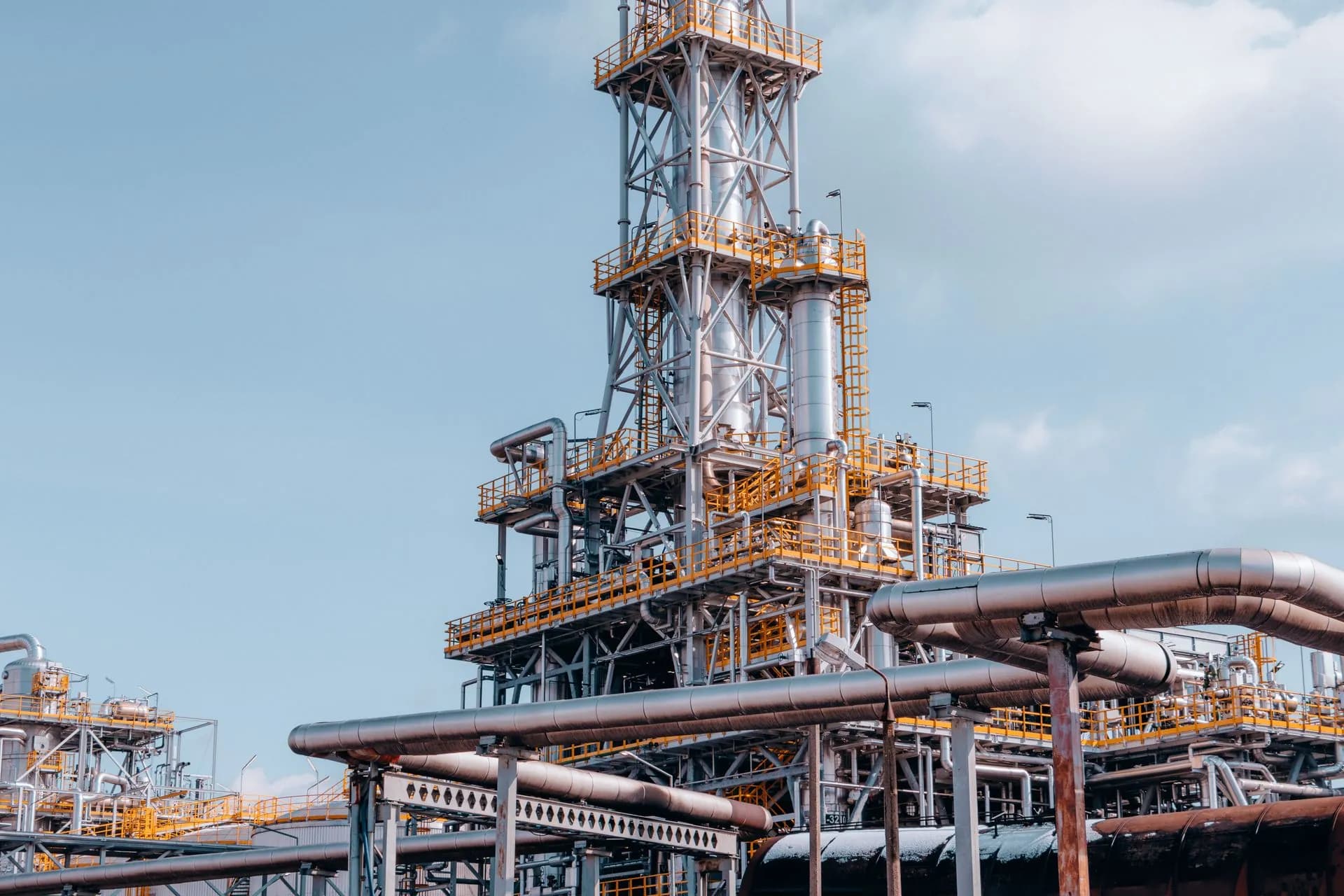
FAQs
Not covered here? Email our team and an engineer will answer.
We work with oil and gas operators who want to reduce flaring, with flare-site awardees and permit holders who need a technical and delivery partner, with investors looking for a capable developer, and with industrial users who need power or fuel. The structure depends on who holds the rights to the gas and who wants to own the asset.
There is no single threshold. Viability depends on how much gas is reliably available, how steady it is, what it contains, how long it will last and how far it is from a buyer. Smaller or variable flares can suit modular gas-to-power or CNG, and several nearby flares can be aggregated into one project. Our screening and measurement work answers the question for each site.
We start with demand and distance. Power suits sites with a load nearby or a grid or mini-grid connection. CNG suits industrial buyers within trucking distance. Liquids-rich gas can justify LPG and NGL recovery. Mini-LNG needs larger, steadier volumes and deeper gas treatment. Often the answer is a combination, such as power on site plus LPG from the heavier fractions.
The Nigerian Gas Flare Commercialisation Programme is run by the NUPRC to make flare sites available to third-party investors. It was set up under the Flare Gas (Prevention of Waste and Pollution) Regulations 2018, which the NUPRC's 2023 flaring, venting and methane regulations have since replaced. Where a site falls within the programme, we work alongside the awardee or permit holder on measurement, engineering, commercial structuring and delivery. Rights to the gas stay with the party that holds them.
It must not. The flare remains the facility's safety relief path. We design recovery tie-ins with isolation, pressure protection and control logic that return gas to the flare whenever the recovery system trips or is overwhelmed, and we review them with the operator through hazard studies before construction starts.
Keep exploring
Energy solutionSupply access with operators and flare-site awardees, aggregation across sites, and gas sales and offtake agreements built around how flare gas actually behaves.
Energy solutionEPC and installation of flare gas recovery, conditioning, gas-to-power, CNG, LPG/NGL and small-scale LNG units, with hybrid solar and battery systems, commissioning and O&M.
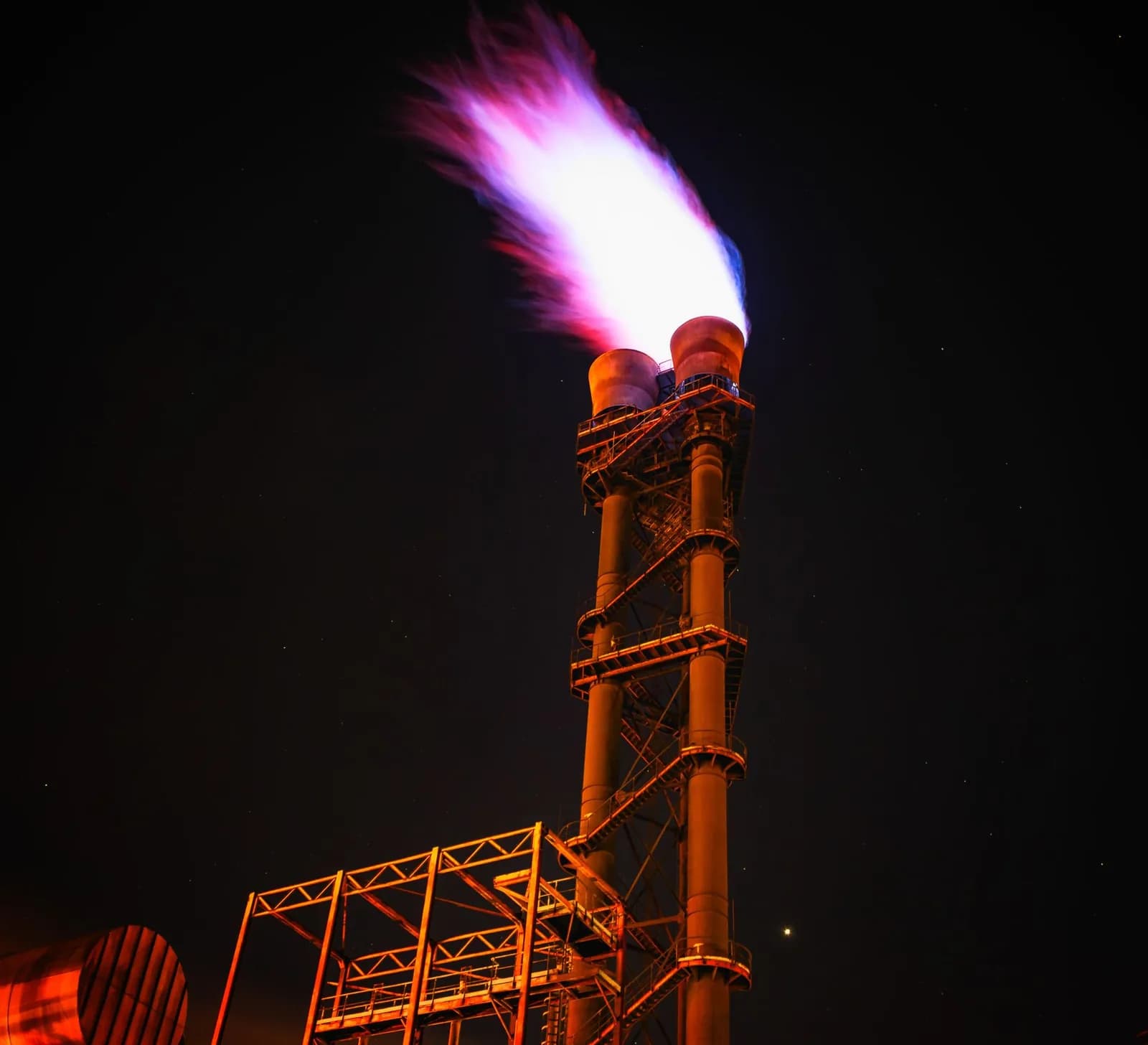 Energy solution
Flare site screening, gas characterisation, feasibility studies, emissions MRV, carbon-credit readiness, AI analytics and research into emerging gas conversion pathways.
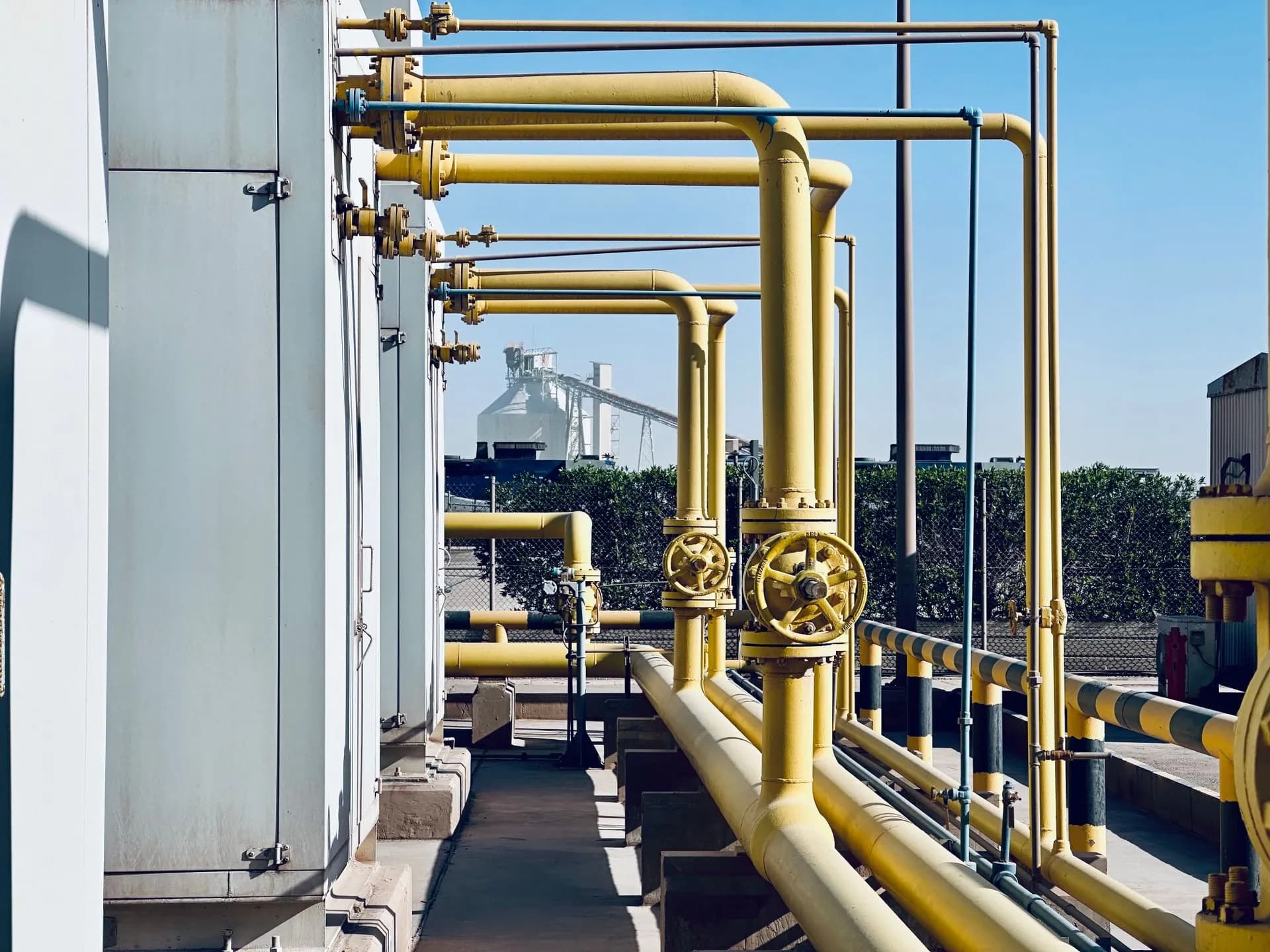 Oilfield service
Bottom hole pressure surveys checked by machine learning, downhole cameras that turn feeds into clear images, and surface well testing that shows how a well is really performing.
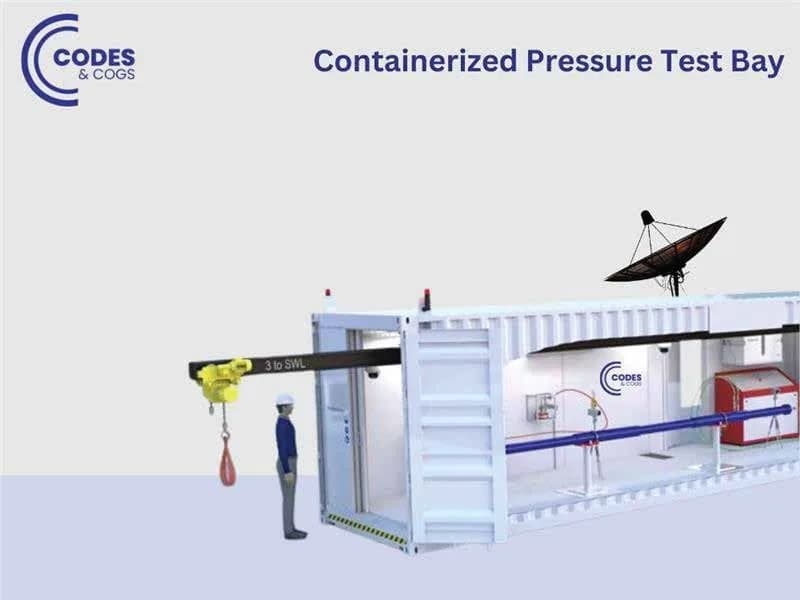 Oilfield service
Non-destructive testing and pressure control equipment integrity checks before deployment, run from our Containerised Pressure Test Bay to reduce risk, downtime and compliance gaps.
Start a project
Tell us where the gas is and what you need. Our engineers will come back with a practical first assessment and a clear next step.